Why Same Solar Panels Can Deliver Very Different Power Output
Why Same Solar Panels Can Deliver Very Different Power Output
Sep 10, 2026
5 Key Factors Affecting Solar Panel Power Generation
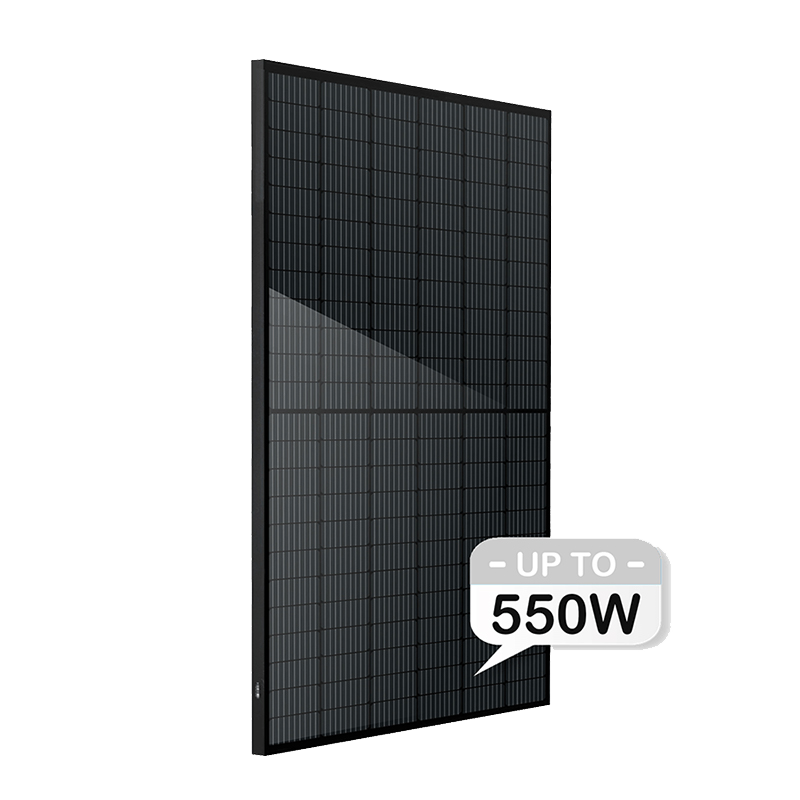
Many overseas customers only focus on the rated power of solar panels, such as 450W, 550W or 700W. They assume higher power always brings more electricity output.
But after actual installation, they find a big surprise: identical panels installed in different sites can have a 20%–40% gap in power output.
With years of experience in solar & energy storage operation, I have summarized 5 core factors that decide real solar yield. Master these points to maximize your solar system output and get the best return on investment.
1. Solar Irradiation & Sunlight Resources
Solar panels generate power by absorbing solar radiation. A sunny day does not guarantee high power production; the real key lies in effective sunshine hours and irradiation intensity.
Countries like Venezuela in South America have excellent sunlight resources. The dry season brings strong radiation, ideal for solar power. However, cloudy and rainy days in wet seasons create more scattered light, leading to lower power generation.
Many clients calculate energy production only based on installed capacity without considering local seasonal climate. This often results in power surplus in dry season and insufficient energy in rainy season, causing mismatched battery storage sizing.
2. Operating Temperature (The Hidden Enemy in Tropical Regions)
This is the most common pitfall for tropical countries.
Most people believe the hotter the sun, the more electricity produced. This is wrong.
All PV modules have a temperature coefficient. Power output drops slightly with every 1℃ rise of panel temperature. At noon under strong sunlight, panel surface temperature may exceed 55℃. Compared with the standard test condition at 25℃, actual power output may drop by 10%–20%.
That’s why in South America tropical areas, panels produce more power in morning and evening, instead of reaching peak rating at noon under intense heat.
3. Tilt Angle & Orientation of Installation
With same panels and site, a 5–10° deviation of mounting angle can cause over 15% difference in annual total power generation.
For equatorial and South American PV projects, steep tilt is unnecessary. The core is to match local sun path, ensure stable sunlight exposure all year round, and balance power output in dry and rainy seasons.
Some installers lay panels flat or use random angles to save labour. The installation looks finished, yet power is lost every day, leading to huge energy loss in the long run.
4. Shading & Surface Cleaning
Solar panels are sensitive: small shading leads to large power reduction.
Tree leaves, dust, bird droppings, roof or building shadows, even partial coverage on one single panel will trigger hotspot effect. It reduces power output and may permanently damage modules and accelerate aging over time.
Dust and stains are common in tropical dusty & rainy zones. Without regular cleaning, power output will continuously decline. Avoiding shading and routine cleaning is the most cost-effective way to maintain high generation.
5. Module Quality & System Matching
Many low-cost no-brand panels advertise high power ratings, but they suffer from power exaggeration, poor workmanship and fast degradation.
High-quality PV panels have low first-year degradation and stable performance year by year. Cheaper alternatives may work fine in the first year, then face sharp power drop afterwards.
Besides, solar panels must match the MPPT voltage window of your inverter. Wrong series connection or voltage mismatch prevents panels from running at full power, causing continuous low-efficiency operation even with premium modules.
Summary
Real solar yield is never decided by power rating alone. It comes from the combination of: local sunlight & climate, temperature adaptation, installation quality, regular maintenance and system matching.
For solar storage projects, selecting qualified products is the foundation. Professional system design and site operation guarantee stable power generation in the long term.


 Monday -Sunday: 8:00 - 24:00
 No.13 Shang Zhen East RD., Taihe Town Baiyun Area, Guangzhou China
 info@futuregreenbattery.com