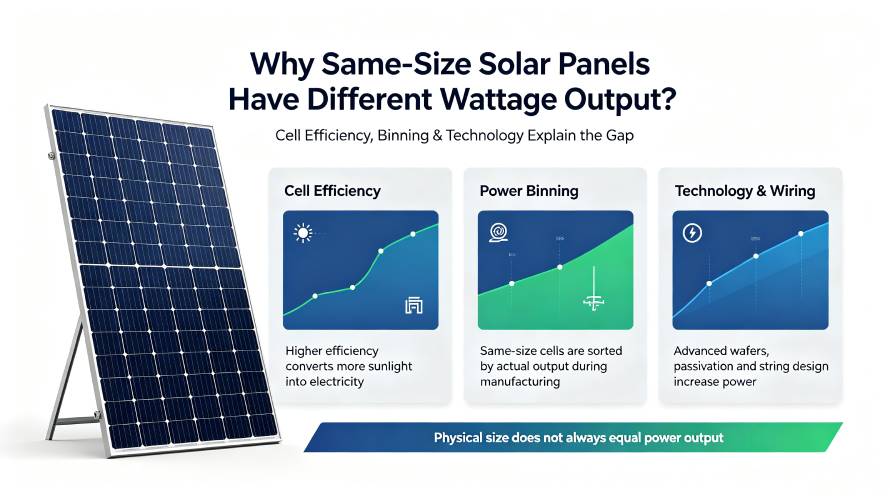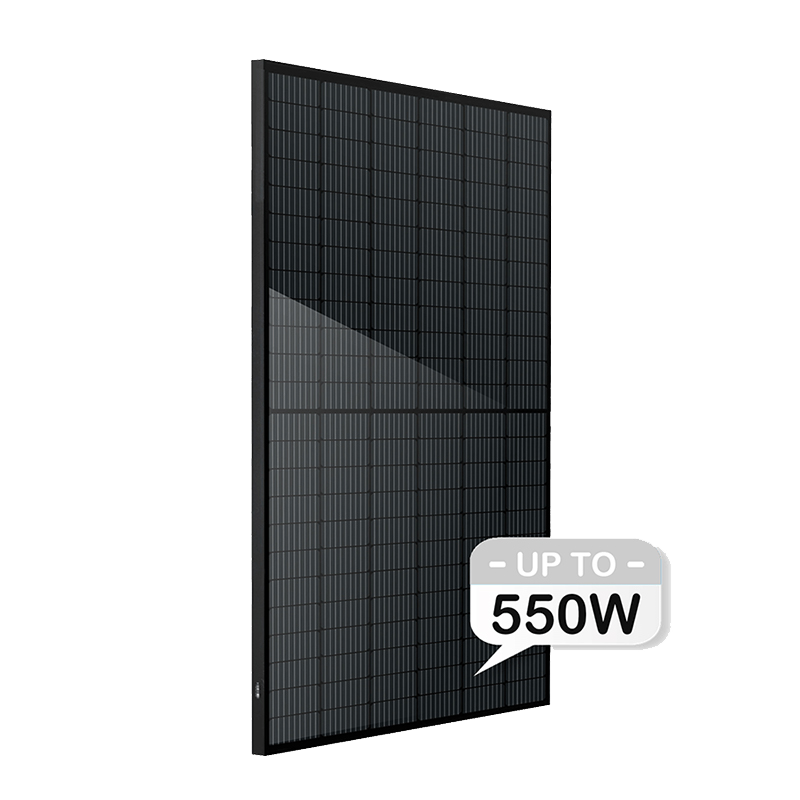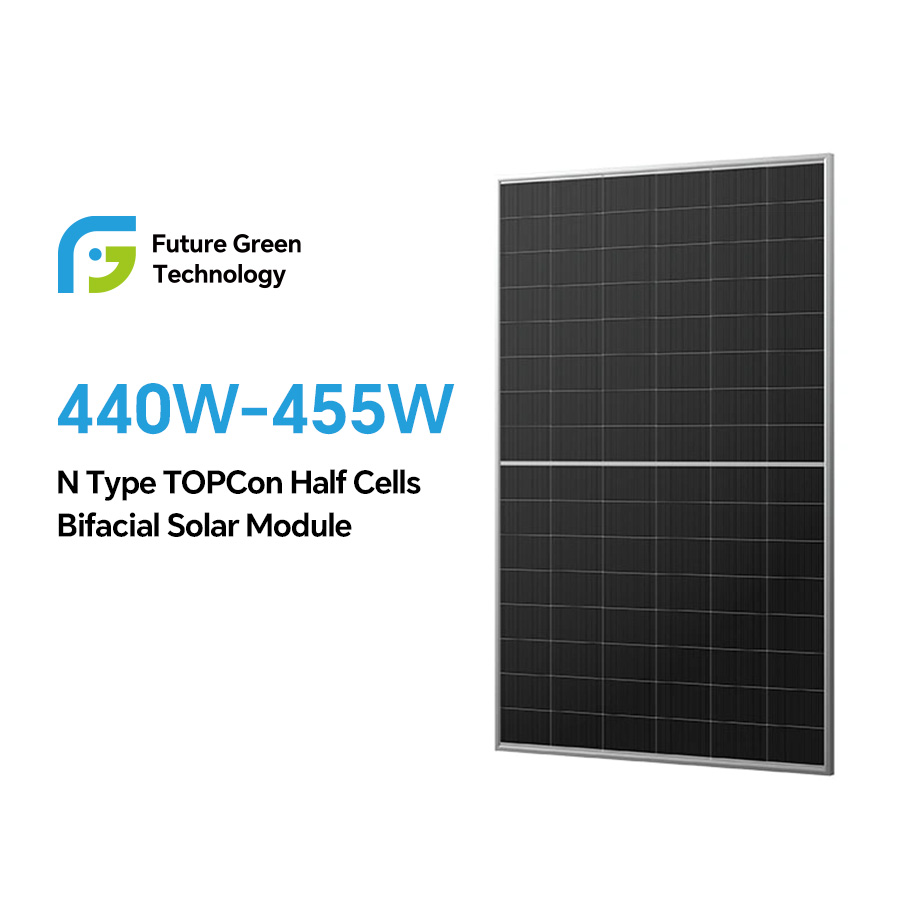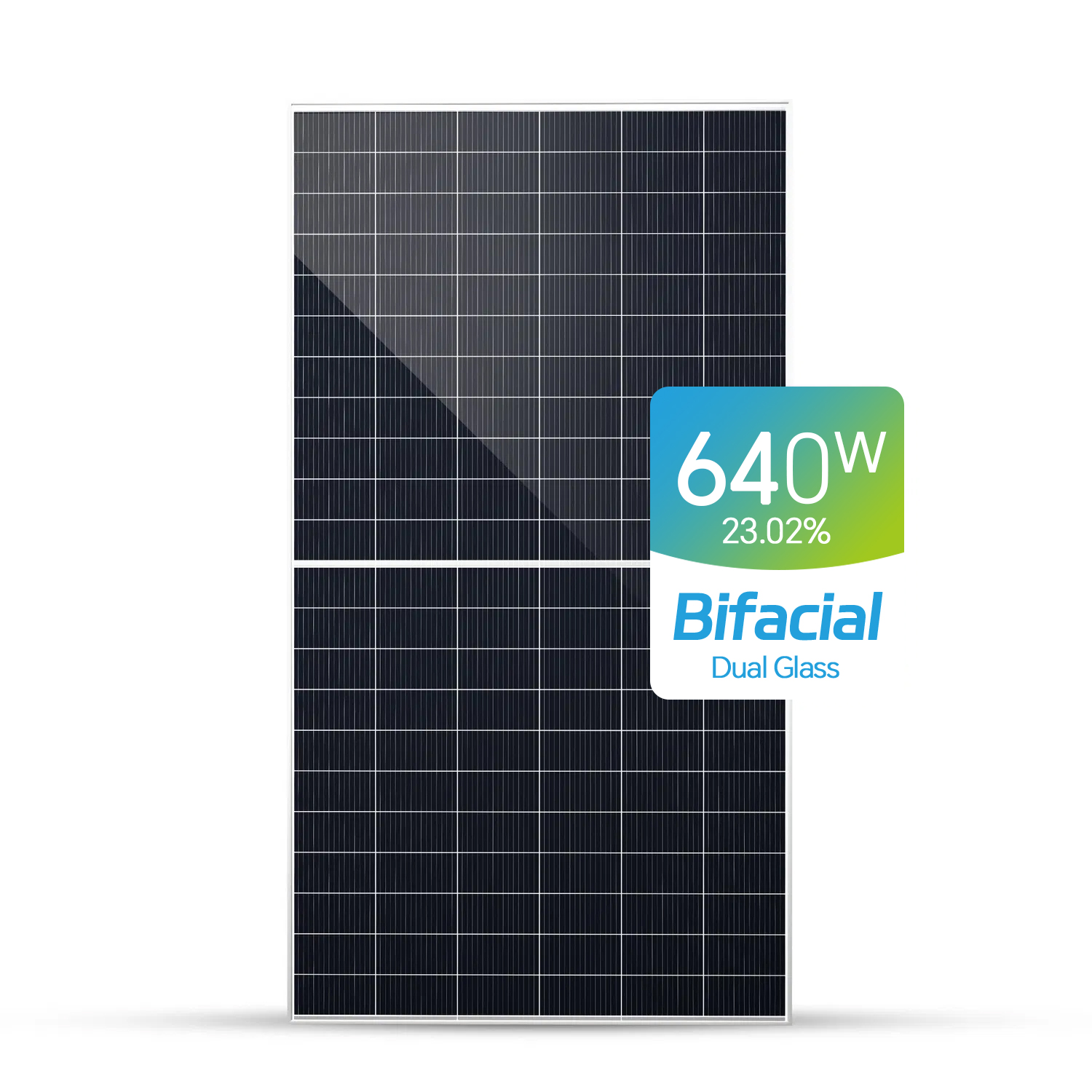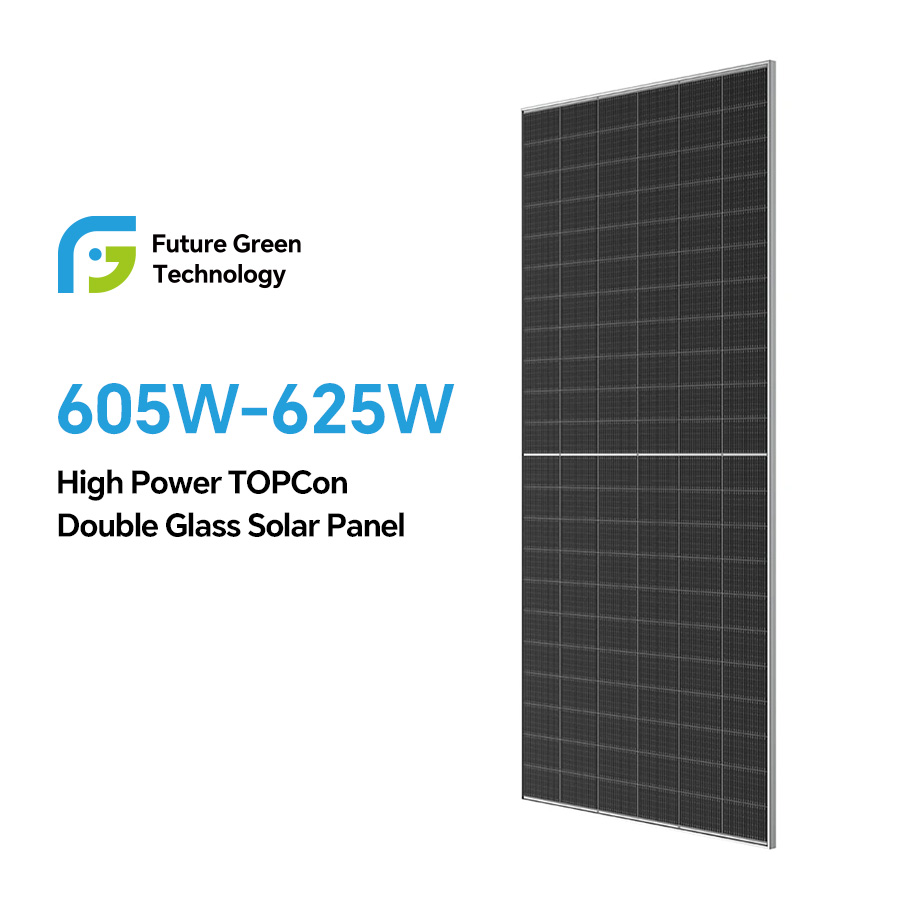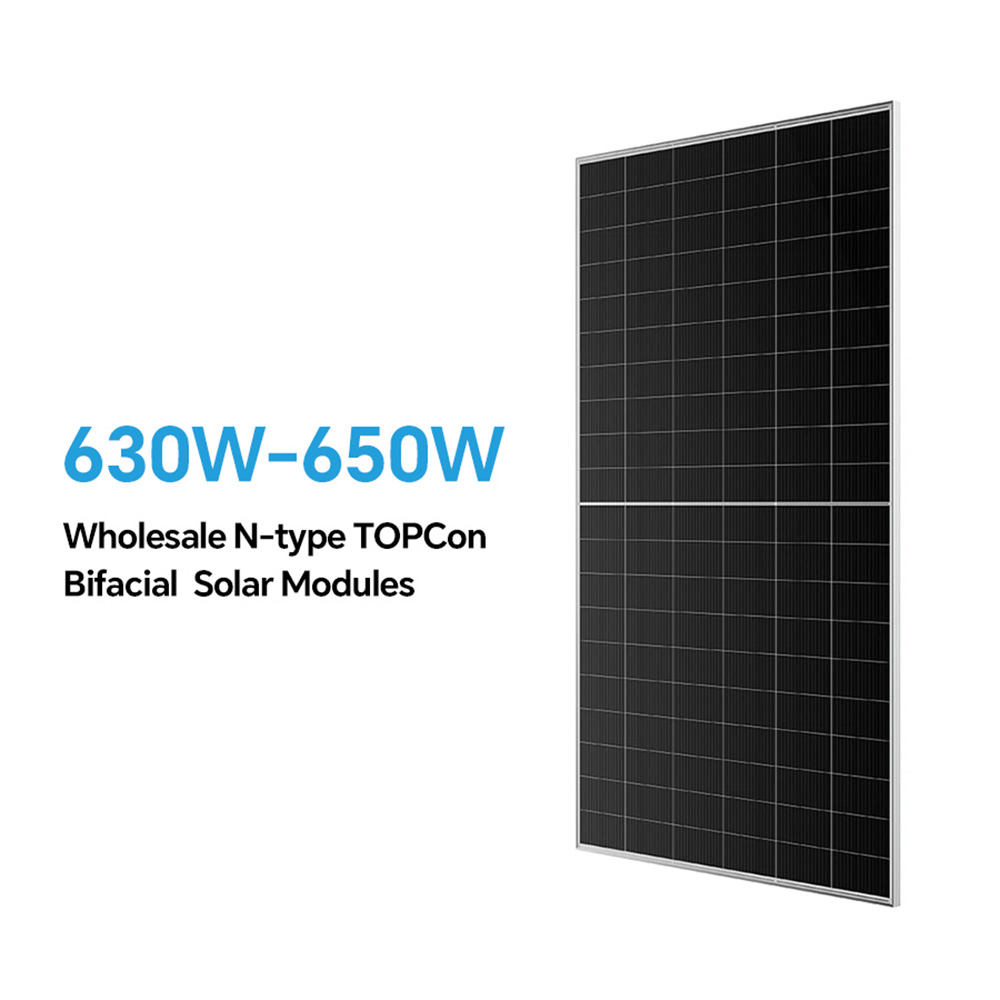
Executive Summary: Solar panel dimensions are primarily dictated by standardized glass and frame manufacturing. However, two solar modules with identical surface area (e.g., standard 1.95m² or 2.58m² form factors) can output significantly different peak power (e.g., 400W vs. 580W). This variance is driven by four key technological factors: cell conversion efficiency, cell interconnect & packing technology, wafer size and layout configuration, and temperature/degradation coefficients.
Solar panel power output (measured in Watts Peak, Wp) is a direct function of panel surface area, solar irradiance under Standard Test Conditions (STC: 1000 W/m² at 25°C), and module efficiency. When the physical dimensions (Area) are fixed, output power depends entirely on the module's efficiency rating.
Older PERC (Passivated Emitter and Rear Cell) technology caps out around 21–22% module efficiency. Advanced N-type technologies like TOPCon (Tunnel Oxide Passivated Contact), HJT (Heterojunction), and BC (Back Contact) reach 22.5%–25% efficiency, capturing more photons from the exact same surface area.
Conventional modules leave 1–2mm spacing between cells. Modern techniques like Half-Cut Cells (reduce resistive losses), Shingling / Tiling Ribbon (eliminates cell gaps entirely), and Micro-Busbars (MBB/SMBB) reduce metal shading on the front side, packing more active silicon into the panel frame.
Silicon ingot quality, purity, and wafer thickness affect electron mobility. During manufacturing, panels are flash-tested and sorted into power bins (e.g., 550W, 555W, 560W) based on microscopic cell variances even within the exact same assembly line.
Advanced Anti-Reflective (ARC) glass coatings maximize light absorption at low sun angles. Furthermore, N-type bifacial modules absorb light from both sides, yielding 5%–25% extra real-world power gain compared to monofacial panels of identical dimensions.
| Cell Technology | Average Efficiency | Wattage Output (~2.0m²) | Key Commercial Advantage |
|---|---|---|---|
| Poly-Si (Legacy) | 16.5% – 17.5% | 330W – 350W | Low initial cost, legacy installations |
| P-type PERC | 20.5% – 21.3% | 410W – 425W | High market maturity, cost-effective |
| N-type TOPCon | 22.5% – 23.2% | 450W – 465W | Lower LID/LCTD, superior high-temp performance |
| N-type BC / HJT | 23.5% – 24.5% | 470W – 490W | Max power density, optimal roof area utilization |

 Monday -Sunday: 8:00 - 24:00
 No.13 Shang Zhen East RD., Taihe Town Baiyun Area, Guangzhou China
 info@futuregreenbattery.com